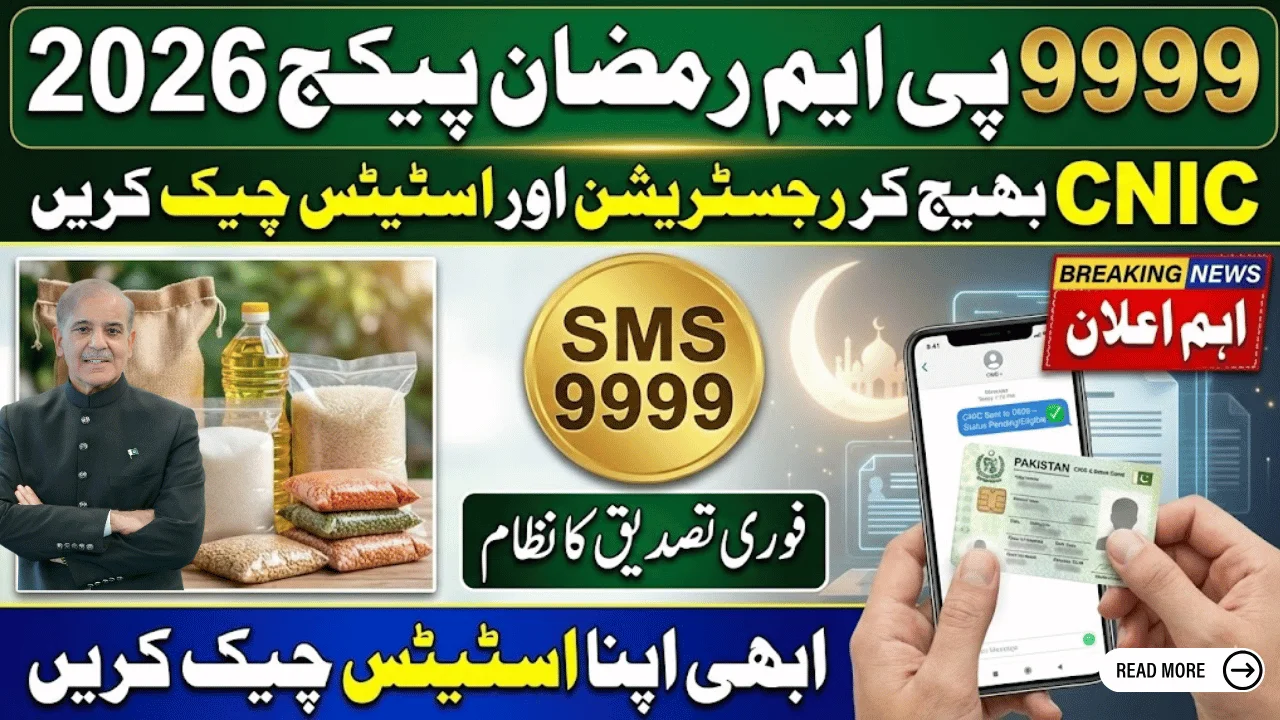

Are you struggling with rising costs during the holy month of Ramzan? The government has stepped in with timely support. The Prime Minister’s Ramzan Package 2026 has been officially announced, offering financial relief to millions of low-income families across Pakistan. This initiative aims to ease the burden of inflation, especially on essentials like food and groceries. In this guide, we’ll walk you through everything you need to know—from eligibility checks to application steps—so you can focus on what matters: observing Ramzan with peace of mind.
As someone who’s seen how these programs impact everyday lives, I remember a neighbor last year who used similar aid to stock up on staples without dipping into savings. Let’s dive in and see how this year’s package can help you too.
What is the Prime Minister’s Ramzan Package 2026?
The Prime Minister’s Ramzan Package 2026 is a federal government initiative launched by PM Shehbaz Sharif to provide financial assistance during Ramadan. With a total budget of Rs 38 billion, it targets over 12 million deserving households nationwide, including those in Punjab, Sindh, Khyber Pakhtunkhwa, Balochistan, Azad Jammu and Kashmir, and Gilgit-Baltistan.
At its core, the package offers Rs 13,000 in direct cash support to help cover Ramzan expenses like iftar meals, groceries, and utilities. It’s designed for transparency, using digital tools to ensure aid reaches the right people without middlemen or favoritism. Unlike one-off handouts, this builds on existing social safety nets like the Benazir Income Support Programme (BISP), making it easier for registered families to qualify.
Why now? Ramzan 2026 falls around March-April, a time when food prices often spike due to demand. The government announced this in early February to give families time to prepare. If you’re from a low-income background, this could be a game-changer—think of it as a buffer against economic pressures.
Eligibility is based on factors like household income (typically below Rs 60,000 monthly), poverty scores from national databases, and CNIC verification. No political bias here; it’s purely needs-based. For instance, a family of five in a rural area might qualify if they’re already in BISP or Ehsaas programs.
The rollout emphasizes digital inclusion, with options for those without internet. This reflects a shift toward modern welfare, reducing corruption and speeding up delivery.
Key Features & Benefits of the Prime Minister’s Ramzan Package 2026
This package stands out for its user-friendly design and broad reach. Here’s a breakdown of its standout features:
- Direct Cash Transfer: Rs 13,000 deposited straight into your bank account, Easypaisa, or JazzCash wallet. No need to queue at distribution centers—funds arrive digitally for quick access.
- Nationwide Coverage: Available in all provinces, AJK, and GB. Punjab integrates it with local schemes like Nigehban for extra perks, such as subsidized rations.
- Free Registration: No fees involved. Check and apply online or via SMS without hidden costs.
- Transparent Verification: Uses NADRA and PSER databases to confirm eligibility based on poverty scores (usually 30-35 or below).
- Inclusive for Vulnerable Groups: Prioritizes widows, orphans, disabled individuals, and daily wage earners hit hard by inflation.
How do these help users? Imagine a single mother in Lahore using the cash for nutritious iftar items, or a farmer in Sindh covering utility bills. The benefits extend beyond finances— it promotes dignity by avoiding public handouts. Families report reduced stress, better nutrition, and more focus on spiritual practices during Ramzan.
From my perspective, the digital wallet option is a highlight. Last year, similar programs saw delays in physical distributions, but this year’s tech focus could cut that down significantly.
Comparison with Alternatives: PM Ramzan Package vs. Previous Years and Provincial Schemes
To understand why the 2026 package shines, let’s compare it to alternatives like the 2025 version and Punjab’s Maryam Nawaz Ramzan Scheme.
| Aspect | PM Ramzan Package 2026 | PM Ramzan Package 2025 | Maryam Nawaz 10000 Ramzan Scheme (Punjab) |
|---|---|---|---|
| Amount | Rs 13,000 cash | Rs 10,000 cash + rations | Rs 10,000 cash + free ration bag |
| Eligibility | Low-income (poverty score 30-35), CNIC-based | Similar, but manual checks | Punjab residents, widows/low-income |
| Application Method | Online portal (pmrrp.nitb.gov.pk), SMS 9999 | SMS 8171 only | SMS 8070, PSER portal |
| Coverage | Nationwide | Nationwide | Punjab only |
| Payment Speed | 7-10 days post-verification | 10-15 days | 5-7 days |
| Additional Perks | Digital wallets | Basic bank transfers | Subsidized groceries via Nigehban Card |
| Budget | Rs 38 billion | Rs 25 billion | Rs 12 billion (provincial) |
The 2026 federal package improves on 2025 by increasing the amount and adding digital options, addressing complaints about delays. Compared to Punjab’s scheme, it’s more inclusive for non-Punjab residents but lacks the free rations—though you can combine both if eligible.
For example, if you’re in Punjab, apply for both: Get Rs 13,000 federally plus Rs 10,000 provincially. This hybrid approach maximizes aid, something missing in earlier years.
Pros & Cons of the Prime Minister’s Ramzan Package 2026
Like any program, this has strengths and areas for improvement. Here’s a balanced view:
Pros:
- Efficient and Transparent: Digital checks reduce fraud— no more fake beneficiaries.
- Timely Relief: Announced early, payments start before Ramzan for better planning.
- Broad Impact: Helps 12+ million families, boosting local economies through spending on essentials.
- Easy Access: SMS options for rural users without smartphones.
- No Discrimination: Open to all deserving, regardless of politics.
Cons:
- Limited to Registered Users: If you’re not in BISP/PSER databases, you might need extra steps to enroll.
- Amount May Not Suffice: Rs 13,000 helps, but with high inflation, larger families could need more.
- Tech Barriers: Elderly users might struggle with online portals; helplines are overloaded.
- Regional Variations: Punjab gets extras, potentially leaving other provinces feeling shortchanged.
- Verification Delays: High applicant volume could slow processing.
Overall, the pros outweigh the cons, especially for tech-savvy families. A tip: If a con affects you, like tech issues, involve a younger relative— it worked for my uncle last year.
User Tips for the Prime Minister’s Ramzan Package 2026
Maximizing this package is straightforward with the right know-how. Here’s practical advice based on real experiences:
- Update Your Details Early: Visit NADRA to ensure your CNIC is active and family info is current. Outdated records are a common rejection reason.
- Choose the Best Check Method: If you have internet, use pmrrp.nitb.gov.pk for instant results. No web? SMS your CNIC (without dashes) to 9999—reply comes in minutes.
- Combine with Other Schemes: In Punjab, check 8070 for Nigehban extras like free atta, rice, and sugar. Send CNIC to 8070 for eligibility.
- Avoid Scams: Official processes are free. Ignore calls asking for fees or OTPs—report to helpline 0800-02345.
- Track Payments: Once approved, link your wallet app. Funds often arrive in batches; check your account weekly.
- Appeal if Denied: If ineligible, update your poverty score via PSER portal. Persistence pays off— a friend reapplied after fixing income data and got approved.
For better use: Budget the Rs 13,000 wisely— prioritize non-perishables. If you’re new to digital wallets, practice transfers before Ramzan.
Latest updates: As of February 2026, the portal is live, and payments begin mid-March. Stay tuned via official sources.
FAQs
How do I check my eligibility for the Prime Minister’s Ramzan Package 2026?
Simply visit pmrrp.nitb.gov.pk, enter your 13-digit CNIC, complete the captcha, and click “Maloom Karein.” Or SMS your CNIC to 9999. You’ll get a confirmation instantly if you’re in the database.
What if I’m not eligible—can I apply anyway?
Yes, but first register with BISP or PSER if you’re low-income. Update your household survey online, then recheck. It’s free and takes about 10 minutes.
When will the Rs 13,000 be disbursed?
Payments start before Ramzan (around mid-March 2026) for verified applicants. Expect funds via bank, Easypaisa, or JazzCash within 7-10 days of approval.
Is the package only for Muslims or specific sects?
No, it’s needs-based and open to all deserving Pakistanis, regardless of faith. The focus is on economic vulnerability during the holy month.
How does this differ from the Ehsaas or BISP programs?
It’s a Ramzan-specific top-up. If you’re in BISP, you’re likely auto-eligible here. Ehsaas handles ongoing aid, while this is seasonal relief.
Conclusion
The Prime Minister’s Ramzan Package 2026 is a thoughtful step toward supporting families amid tough times, with Rs 13,000 aid reaching millions transparently. From easy eligibility checks via CNIC to digital payments, it’s designed for convenience. We’ve covered the basics, comparisons, tips, and more to help you navigate it smoothly.
If eligible, apply today—don’t miss out on this relief. For updates, bookmark official sites like pmrrp.nitb.gov.pk. Wishing you a blessed Ramzan filled with ease and joy. If you have questions, drop a comment or check the portal for more.